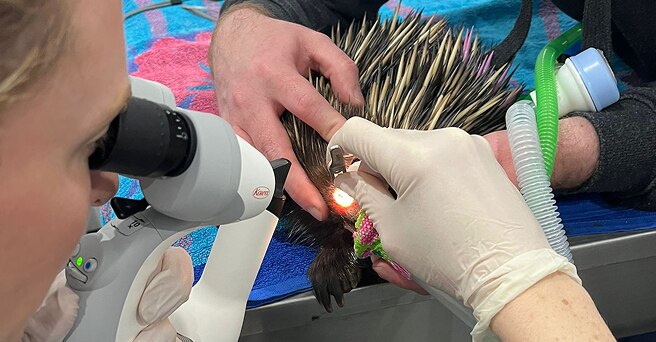
Helping Squinty get back in the wild
Alinta Energy's community grant helped Squinty the echidna return to the wild - supporting wildlife rescue and local conservation efforts.
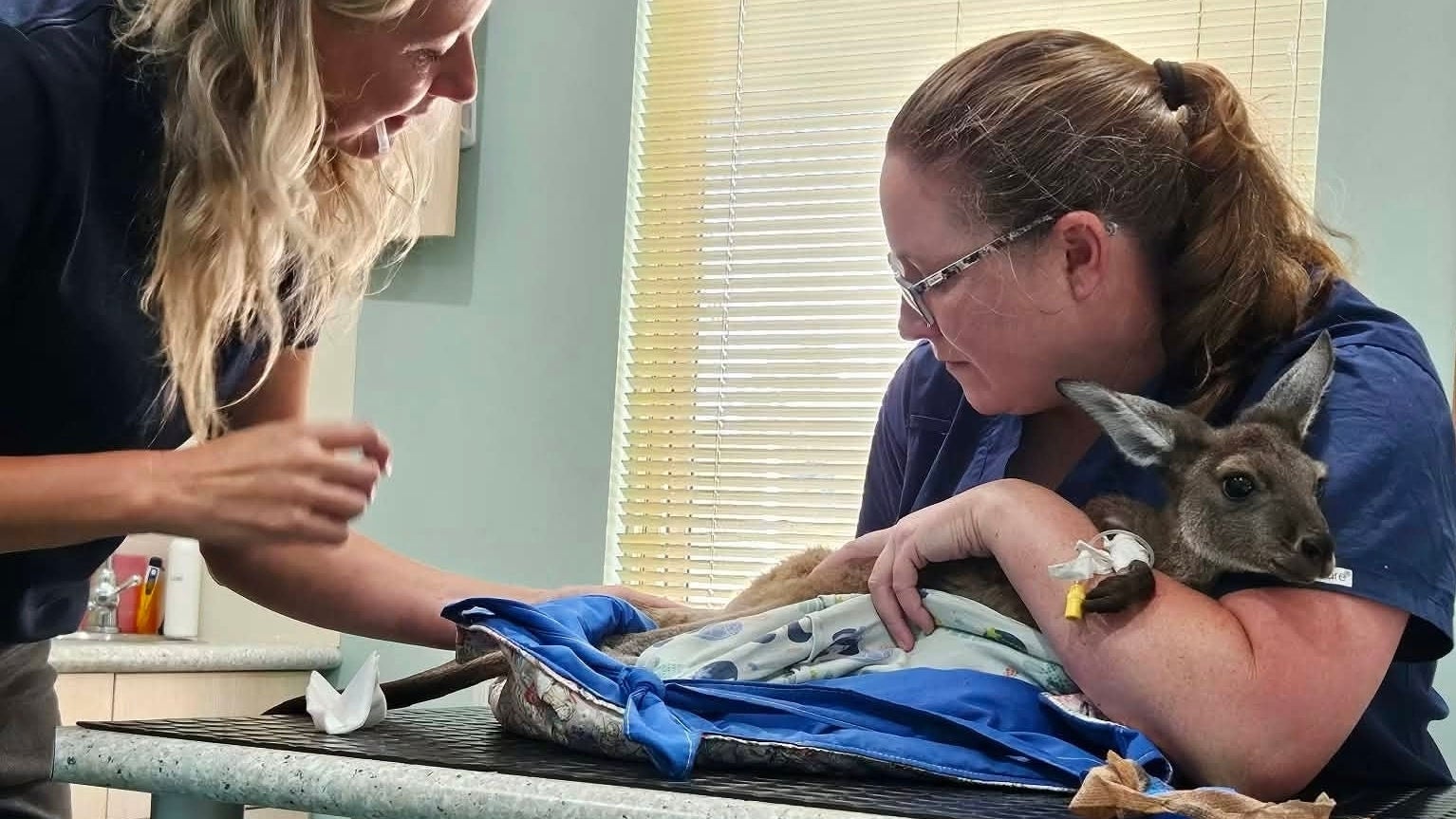
Caring for injured and orphaned wildlife doesn't stop when the power goes out. That's why Mt Barker Wildlife Hospital is using a $25,000 Alinta Energy Community Grant to add solar and battery backup to its Community Response & Operational Hub.
The grant will help make that possible by funding a 6.6 kW solar system and 10 kWh battery. Together, they’ll help keep critical equipment running during outages, giving vets and volunteers more reliable power when storms and other extreme weather disrupt the grid.
Mt Barker Wildlife Hospital provides care for injured and orphaned native wildlife across WA’s Great Southern region.
Local volunteers, wildlife carers and veterinary professionals give vulnerable animals a calm, purpose-built place to be treated and recover closer to home, rather than relying on domestic veterinary clinics or travelling hours for specialised care.
Reliable power is particularly important for some of the hospital’s most vulnerable patients. Orphaned joeys and birds recovering from shock can depend on carefully controlled temperatures, while equipment such as humidicribs and climate-controlled wards need a consistent power supply.
Storms, bushfires and extreme weather can disrupt power across the region. Adding solar and battery backup will give the hospital greater resilience during an outage, helping its team continue caring for animals.
The benefits of the new solar and battery system will extend beyond providing backup power during an outage. Generating more of its own electricity will help the hospital reduce its ongoing energy costs, allowing more of its funding to go towards veterinary treatment, medicine and caring for injured wildlife.