


Energy saving tips
Practical energy-saving tips to help you stay comfortable, manage energy costs, and better understand your energy use - with advice for winter, summer, and everyday habits.
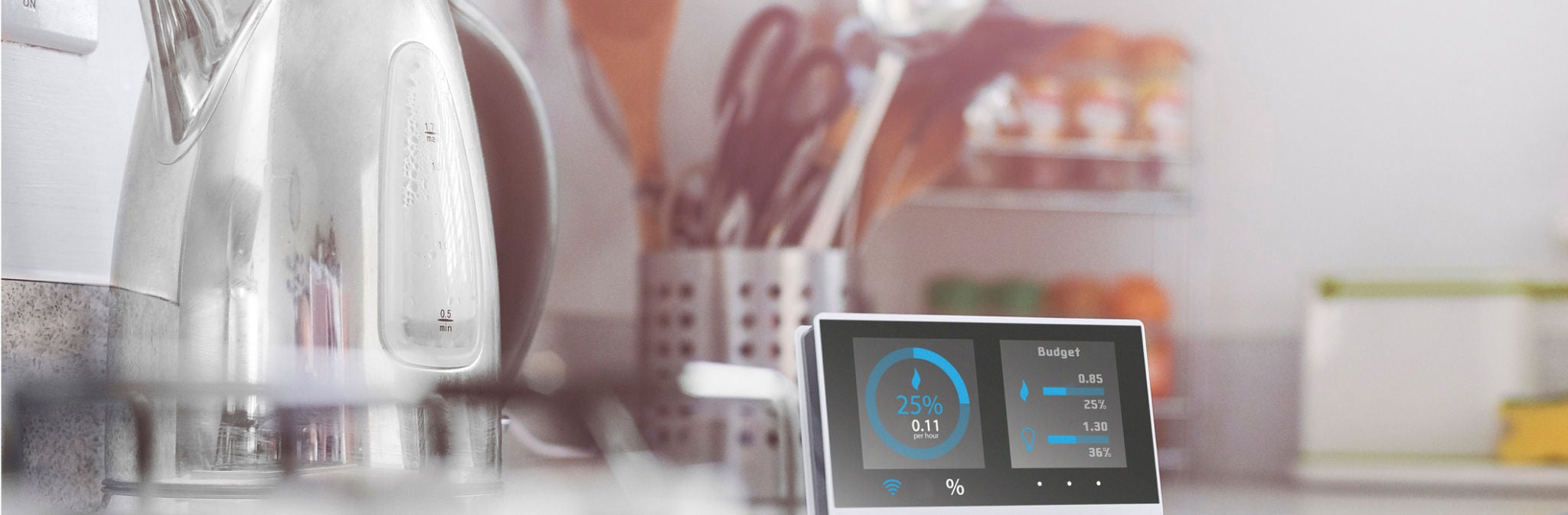
Whether your home uses gas, electricity, or both, the right smart tools can help lower bills while keeping your home comfortable. Below are some of the most effective smart technologies for general households. They create excellent opportunities to save money with easy, low-cost wins.
Heating and cooling make up a large part of the average Australian's energy bill. Smart thermostats are useful devices that work with your daily living habits to optimise your home's temperature settings.
What makes a thermostat 'smart' is the ability to automate. Features like schedules, eco or away modes, and remote app control remove the guesswork from energy saving. Some models also provide usage insights, helping you understand how changes affect your bills.
In homes with gas heating, these devices help cut gas use by reducing unnecessary boiler or furnace runtime. They automatically lower heating when you're asleep, out of the house, or during warmer parts of the day, avoiding the common habit of heating an empty home.
In homes with electric heating or air conditioning, the same benefits apply. Smart thermostats limit cooling or heating when it's not needed, help avoid peak time usage, and prevent systems running longer than necessary.

Many appliances continue using electricity even when they're switched off. This is often called standby or phantom power, and across a whole home it can quietly add to your electricity bill.
Smart plugs plug directly into a normal power outlet and allow you to turn your appliances and lights on and off remotely using a schedule or app — cutting power to the appliance when they aren't in use.
They work particularly well for:
Because smart plugs are relatively inexpensive and easy to install, they're often one of the fastest ways to reduce unnecessary electricity use.
LED bulbs are an energy efficient form of lighting because they use less energy to provide the same amount of light as other light bulbs. Although they can be more expensive than regular light bulbs, they have the potential to provide long-term savings while having a longer life span and producing less heat. They can also be programmed to turn off automatically when not needed.
Living areas where lights are often left on accidentally.
Smart window coverings, such as automated blinds, shades or curtains, help regulate your home's temperature by responding to sunlight, time of day or preset schedules.
By opening to let warmth in during cooler periods, or closing to block heat during peak sunlight hours, they can reduce the strain on heating and cooling systems and improve comfort year-round.
Many smart blinds can be scheduled or paired with sensors to adjust automatically, so you don't have to think about them throughout the day. This is particularly useful for rooms that heat up quickly or receive strong afternoon sun. Over time, better control of heat gain and heat loss can contribute to lower energy use and more stable indoor temperatures.
For homes with gas central heating and radiators, zoned heating is one of the most effective ways to reduce gas usage.
Zoned heating allows you to control the temperature of individual rooms rather than heating the entire house at once. This is commonly done using smart radiator valves, which replace standard radiator controls and let you set room-by-room schedules.
Instead of running gas heating across every room, zoned systems make it easier to:
Because gas boilers consume fuel whenever heat is demanded, reducing how many rooms call for heat can significantly lower overall gas use. This is especially valuable in large homes or households that don't use every room every day.
When on your smart tech journey, start small with smart plugs and bulbs, then expand to other energy-efficient home with potential to save on those bills.

Being Honest
About where Australia’s
energy comes from.
That’s True Power.™


Acknowledgement of Country
Alinta Energy acknowledges the Traditional Custodians of the land on which we live, work and conduct our business operations. We acknowledge the continuing connections of Aboriginal and Torres Strait Islander Peoples to Country and community. We pay our respect to their Elders past and present and extend that respect to all Aboriginal and Torres Strait Islander people.