


Energy saving tips

Gas saving tips

Small changes at home can help you stay comfortable while managing energy costs. These energy-saving tips cover everyday habits, seasonal changes, and ways to better understand your energy use.

Saving energy doesn't have to mean changing everything you do. Small, practical changes at home can help you stay comfortable while managing your energy costs.

These energy-saving tips focus on everyday actions that can make a difference over time, helping you use energy more efficiently around the home.

Woman on sofa wearing blanket and drinking hot drink
Advantages of heating with gas card

Staying warm in winter

When the weather cools down, it's natural to use more energy to keep your home comfortable. These tips focus on using energy efficiently, including simple ways to heat smarter and keep warmth inside.

Heat smarter

  • Only heat rooms you're using, and close doors to unused spaces.
  • Turn heating off when you go to bed or leave the house.
  • Use timers where possible so heating isn't running longer than needed.

Keeping warm inside

  • Open blinds or curtains during the day to let the sun warm your home.
  • Close them at night to help keep warmth in.
  • Seal gaps under doors or around windows to reduce draughts.
  • Time how long you spend in hot showers, as heating water can increase energy use.

Make small changes first

  • Dress warmly indoors before increasing heating.
  • Use extra blankets or throws in living areas and bedrooms.
Tip callout

Did you know? Every degree you increase for heating or drop for cooling can add noticeably to your energy costs over time.

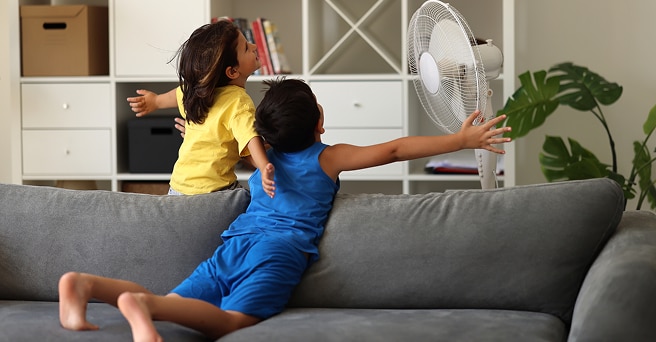
Two children on a sofa spreading their arms in front of a fan on a hot day
Kids fan

Keeping cool in summer

Hot weather often means higher energy use, especially if you're running air conditioning. These tips focus on cooling your home efficiently, helping you stay comfortable during warmer months.

Cool your home before cooling the air

  • Close curtains or blinds during the day to block out heat.
  • Ventilate your home in the evening when the outside temperature drops.
  • Use shade where possible to reduce heat entering your home.

Keeping cool inside

  • Only cool rooms you're using.
  • Increase air-conditioning temperature by a degree or two where possible.
  • Use timers so cooling isn't running longer than needed.
  • Avoid pre-heating ovens when possible — it can add unnecessary heat to your home.

Try low-energy alternatives first

  • Use fans when you're in the room instead of cooling the whole house.
  • Use fans alongside air-conditioning so you can set it slightly higher.
Tip callout

Did you know? Lights give off heat as well as light, which can add to indoor temperatures and energy use during warmer months. LED lighting is more energy-efficient and will create less heat than halogen.

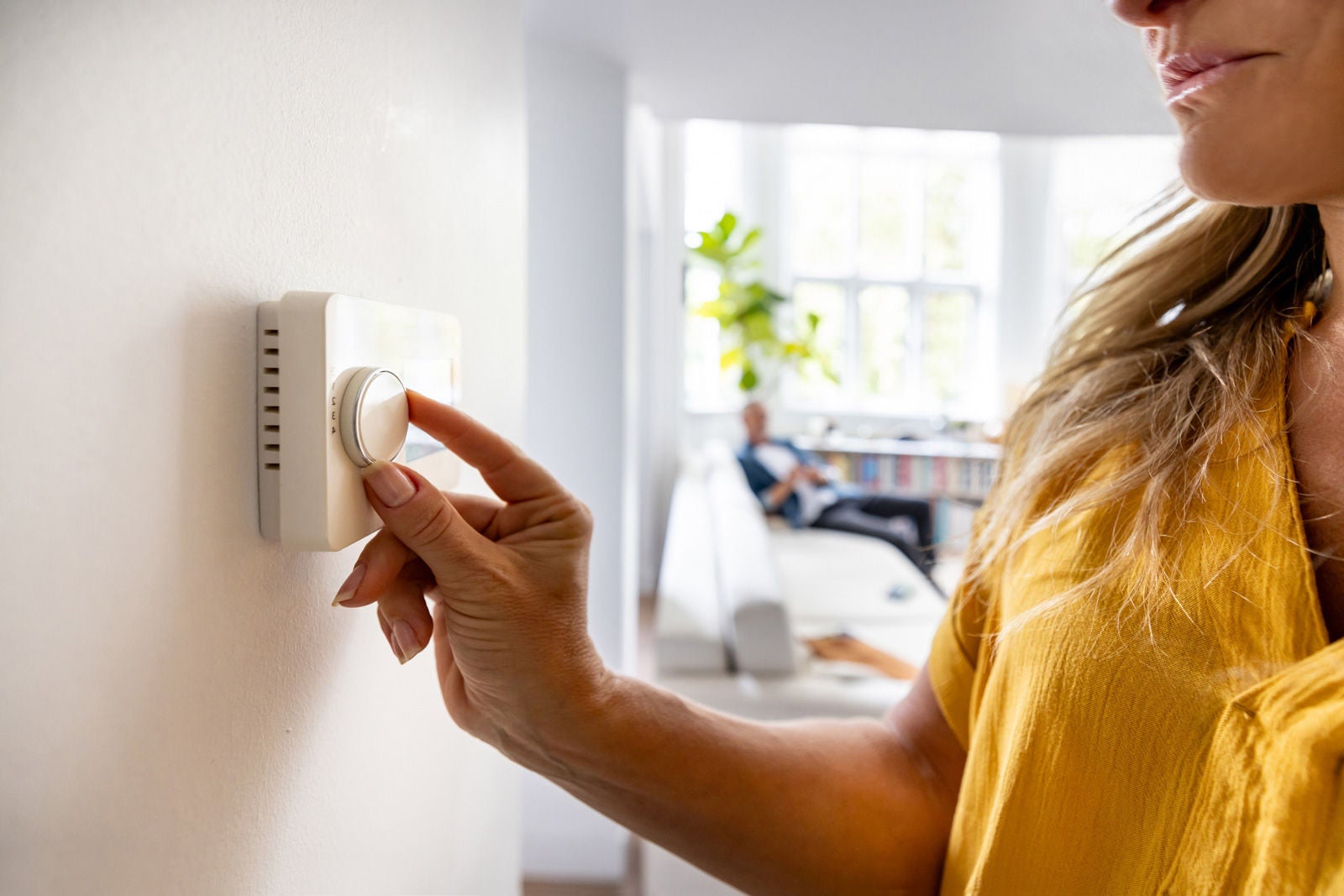
Close up of woman adjusting wall thermostat
Winter cover

Everyday energy-saving habits

Small changes at home can make a difference all year round. From how you use appliances to simple daily routines, these tips can help reduce energy use without changing how you live.

Be mindful of standby power

  • Turn appliances off at the wall when they're not in use.
  • Look out for devices with lights, clocks or displays — they may still be using energy.

Use appliances more efficiently

  • Match pot and pan sizes to stove burners.
  • Only boil the water you need in the kettle.
  • Run full loads in dishwashers and washing machines.
  • Cook in bulk and freeze leftovers to reduce how often appliances are used.

Reduce everyday waste

  • Avoid leaving fridge or freezer doors open.
  • Let residual heat finish cooking where possible.
  • Air-dry clothes instead of using the dryer when you can.
Tip callout

Did you know? Appliances account for around 30% of home energy use. Switching them off or unplugging them when they're not in use can help reduce your energy bills.

Understanding your energy use and bills

Energy bills can be influenced by a range of factors beyond your household usage — including global fuel prices, energy exports, infrastructure costs, the shift to lower-emissions energy, and government support. If you'd like to better understand your bill, track your usage, or explore ways to manage costs, the resources below can help.


App Store    Google Play Store

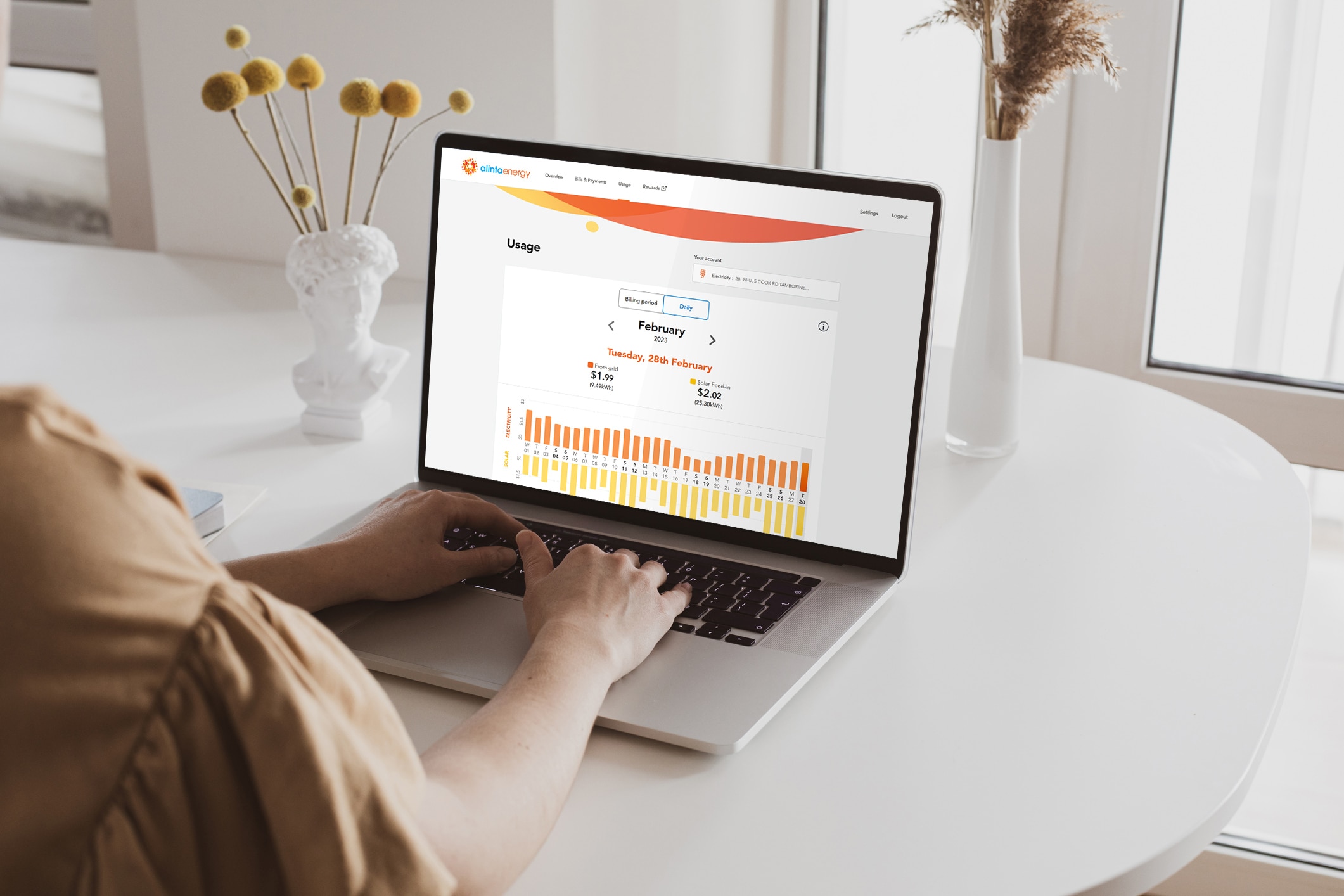
View your usage with the Alinta Energy app

Download to monitor your energy consumption, pay bills and manage your account.