

Solar savings explained: how to get more from your solar
Understand how solar savings work and how to get more from your system. Learn how timing, exports and feed-in tariffs affect your energy bills.
Home batteries are becoming an increasingly common addition to solar systems, helping households store excess solar energy for later use. For some people, a battery can be a practical way to get more value from the energy they generate and reduce their reliance on electricity from the grid.
But a battery is also a significant investment, and it's not necessarily the right choice for every home. Whether a battery is worth considering often comes down to how much energy you generate, when your home uses electricity and whether you're able to use that energy when you need it most.
If you're weighing up whether a battery could be the next step for your home, here's what to consider.
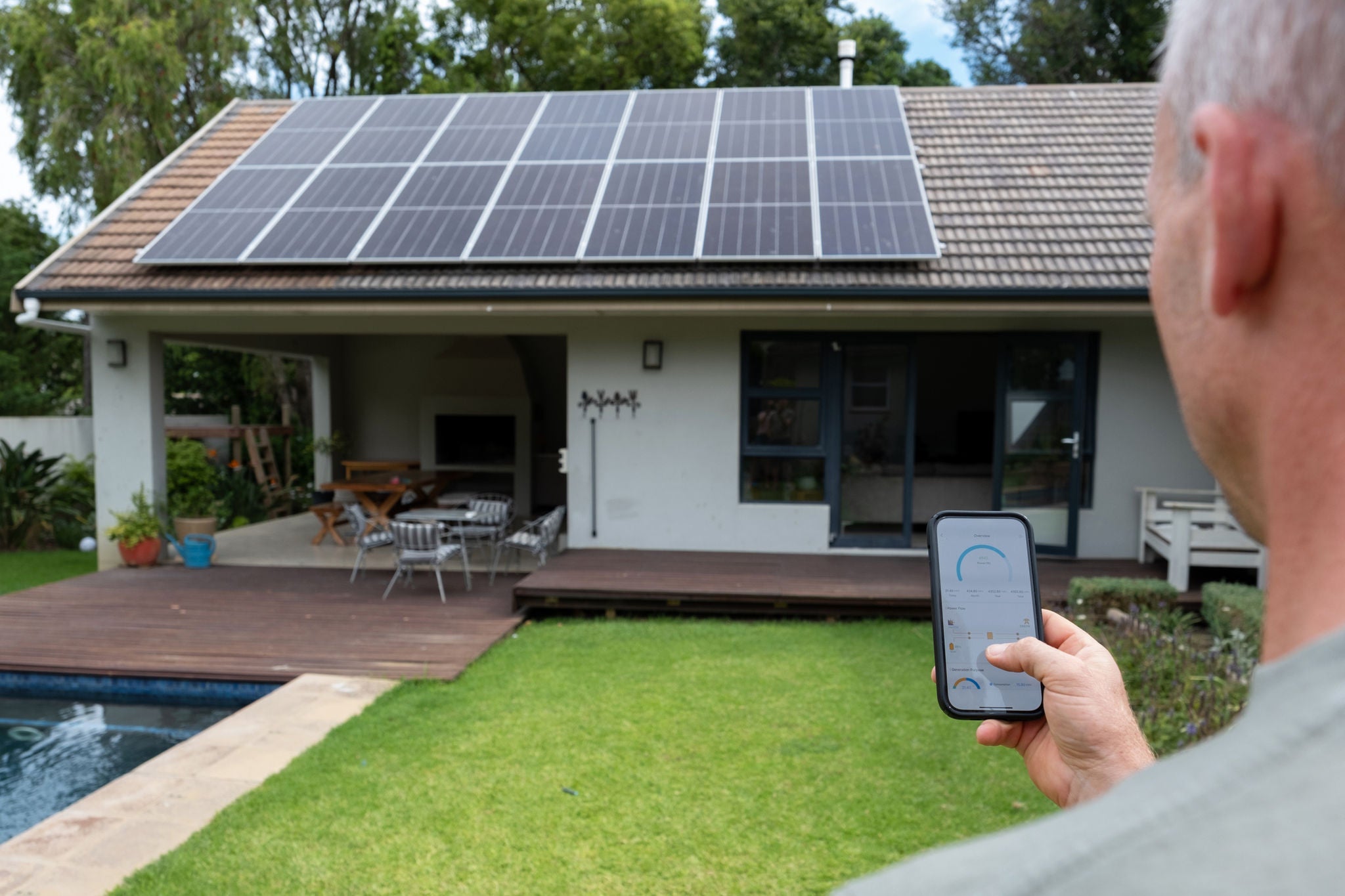
Solar panels generate electricity during the day when the sun is shining. Some of that electricity is used straight away to power your home, while any unused energy is typically sent back to the grid.
A battery allows some of that unused solar energy to be stored instead. Rather than exporting everything you don't use immediately, the stored energy can be used when your solar panels are producing less electricity or not generating any at all.
For many households, this means using more of the energy they generate themselves and less electricity from the grid during the evening.

A battery is often most beneficial when there's a mismatch between when your solar generates electricity and when you use it. Some of the situations below may indicate that battery storage is worth exploring.
If your solar system generates more electricity than you need during the day, a battery can allow you to store some of that energy for later use rather than exporting it immediately. Some customers also explore battery storage as feed-in tariffs change over time.
Many homes will generate solar power while the family is at work, school or out during the day, then use most of their electricity once they're home. This often includes cooking, running appliances, heating or cooling the home, or charging devices.
If this sounds familiar, a battery may help shift some of that daytime solar energy into the periods when you need it most.
Some battery systems can provide backup power during outages, helping keep selected appliances or circuits running when grid electricity is unavailable. If you live in an area that experiences frequent outages, or rely on electricity to keep important equipment running, this may be another factor to consider when exploring battery storage. Backup capabilities can vary depending on the battery system and how it is installed.
If you're considering an electric vehicle or expect your electricity use to grow over time, a battery may form part of a broader energy setup alongside your existing solar system.
Adding a battery isn't always the next step after installing solar. Depending on how you use energy, you may already be getting the most of the value from your system without battery storage.
If your household already consumes the majority of its solar generation as it's produced, there may be less excess energy available to store in a battery.
Households with lower overall electricity consumption may see fewer benefits from adding battery storage, particularly if there isn't a large amount of excess solar being exported.
If you've recently installed solar, it can be worthwhile to spend some time understanding how much electricity you're generating, using and exporting before deciding whether battery storage is the next step.
By now, you've probably got a sense of whether you could benefit from a battery. If you're still unsure, these questions can help clarify whether battery storage is worth exploring further.
Ask yourself:
Your answer can help determine whether a battery is likely to deliver value, both now and in the future.
A home battery won't be the right fit for everyone. The households most likely to benefit are often those generating more solar energy during the day than they're able to use at the time. For others, understanding and optimising their existing solar system may be the better first step.
The best place to start is by understanding how you use energy today. Once you know when you generate electricity, when you use it, and how much you're exporting, you'll be in a better position to decide whether a battery could be right for your home.