

Household habits that are wasting energy
Looking to cut down on energy waste at home? This page shares simple, practical tips to help you save electricity and gas without sacrificing comfort.

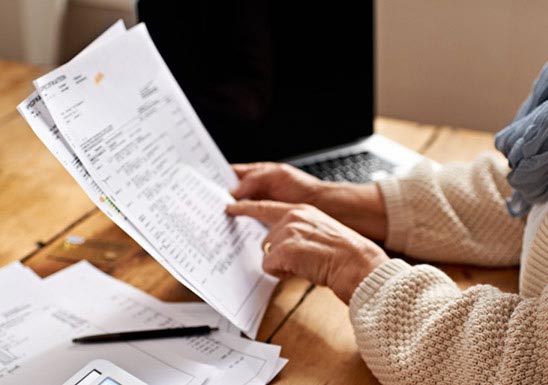
If you've experienced bill shock or noticed some 'mystery spikes', it's usually due to a small number of common causes. This might be because your household used more energy, your bill was calculated differently (such as an estimated or catch-up bill), or the price you pay changed (rates or tariff structure).
This guide walks you through the different reasons why an energy bill can increase and how to work out which one applies to you.

Cold weather can quietly increase household energy use. Heating, longer showers, and more time spent at home all add up, even if each change feels small on its own.
What it looks like
A steady increase across many days or weeks, rather than a single sharp jump.
How to identify it
Compare this bill with the same period as last year. If the increase lines up with colder weather or a change in routine, seasonal use is often the driver.
What to do next
Focus on the biggest contributors first, like heating and hot water. Small habit changes can help reduce future bills without sacrificing comfort.
Visitors, guests, school holidays, or changes in who's living at home can increase energy use faster than expected.
What it looks like
Higher usage during specific weeks rather than evenly across the whole billing period.
How to identify it
Think about whether there were more people showering, cooking, using heating or cooling, or working from home during that time.
What to do next
Once routines return to normal, usage usually settles as well. If extra people are staying long-term, it can help to review household habits together.
Sometimes a bill increases not because something is wrong, but because something new has been added, or existing equipment is being used more often than before.
What it looks like
Your energy usage increases around the same time a new appliance or piece of equipment was installed, switched on more regularly, or started running for longer periods.
How to identify it
Think about whether anything new was added or used more often during this billing period. Even energy efficient devices can add noticeable usage when they're used frequently or stay powered on.
What to do next
Check whether devices are being left on, or in standby when not in use, and look for energy saving or eco modes where available. If the increase is linked to a lifestyle upgrade (like a spa or pool), understanding run times can help you manage future bills more confidently.
Sometimes energy use increases because an appliance isn't working as efficiently as it should.
What it looks like
Usage rises even though your habits feel mostly unchanged.
How to identify it
If a heater or hot water system seems to be working harder than usual, taking longer to heat, or behaving inconsistently, it may need servicing. In some cases, older or inefficient appliances can also contribute to higher usage.
What to do next
Having appliances checked by a qualified professional can help rule out faults and improve efficiency.
Some issues, like a hot water leak, can increase energy use without any obvious day-to-day signs.
What it looks like
A sustained increase in usage with no clear lifestyle or seasonal explanation.
How to identify it
If the bill increase doesn't match changes in weather or household habits, a hidden issue such as a hot water leak may be contributing.
What to do next
If you suspect a problem, arranging an inspection can help identify and resolve it before it continues to add to your bills.
Not all bills are based on an actual meter read. An estimated bill will be issued if a meter can't be read or data isn't available. Your account will be adjusted once a proper meter reading can occur.
What it looks like
A bill marked as 'estimated', or a higher bill followed by a later adjustment once an actual read is taken.
How to identify it
Check your bill to see whether it's estimated or based on an actual meter read. Estimated bills are calculated using past usage patterns.
What to do next
Once an actual reading is taken, your account is adjusted for any difference. Keeping meter access clear can help avoid future estimates.
Sometimes a bill increases not because you're using more energy, but because the price you pay for it has changed.
What it looks like
Usage appears normal, but the total bill increases.
How to identify it
Check whether you received a rate or price-change notice and review the pricing details on your bill. Your tariff type also affects how and when energy is charged.
What to do next
Understanding how your tariff works can help you manage future bills, especially if pricing varies by time of use.
In most cases, a higher-than-expected bill comes down to one of a few common reasons: changes in usage, the way a bill was calculated, or the price you pay for energy. Once you know which factor applies, it's much easier to understand what changed and what you might want to do next.
And if something still doesn't add up, help and support is available when you need it.
Bills usually increase because of higher usage, an estimated or catch-up bill, or changes to rates or pricing structure.
An estimated bill is calculated when a meter can't be read or data isn't available. It may be adjusted later once an actual reading is taken.
You will be notified if rates change. You can check the pricing details on your bill or on our website.
You may be able to request a payment extension or explore other assistance options.