
Every energy project has a journey before construction begins

Our Head of Stakeholder Engagement, Renee Preece hears firsthand the many questions communities have when a new energy project is proposed. In this article, she provides an overview of what happens between a project’s announcement and construction, and introduces our new video series that helps explain the development process.

When a new wind farm, battery, pumped hydro project or other energy development is announced, one of the first questions people ask is: what happens next?

The answer is often more involved than many realise.

Long before construction begins, energy projects go through years of investigation, assessment, consultation and planning. There are technical studies, environmental surveys, planning processes, engagement with landholders and communities, and many other steps designed to understand whether a project is suitable, commercially viable, and able to be developed responsibly.

To help explain that process, we're launching a new video series that looks behind the scenes of major energy project development.

The series has been designed as a practical, high-level guide to the stages people are most likely to see or hear about as a project progresses. Rather than focusing on any one project, it explains how development generally works and why each stage is important.

As developers, we often see the final outcome: from a wind farm generating electricity, to a battery supporting the grid, or major infrastructure under construction. What is less visible is the considerable amount of work that happens beforehand.

Development starts with feasibility and investigation. Teams assess factors such as energy resources, site suitability, land access, engineering constraints and potential grid connection opportunities. If a project appears promising, more detailed monitoring and surveys can begin, including environmental investigations that help build an understanding of local conditions and values.

Community engagement is another critical part of the process. Through consultation and social impact assessment activities, developers seek to understand local perspectives, identify potential impacts and explore opportunities to create benefits for communities. Local knowledge often contributes valuable insights that can help shape project design and planning.

Projects must navigate planning and environmental approval pathways, which involve detailed documentation, technical studies and assessment by relevant authorities. Depending on the project, this process can take several years and involves extensive evidence gathering and review.

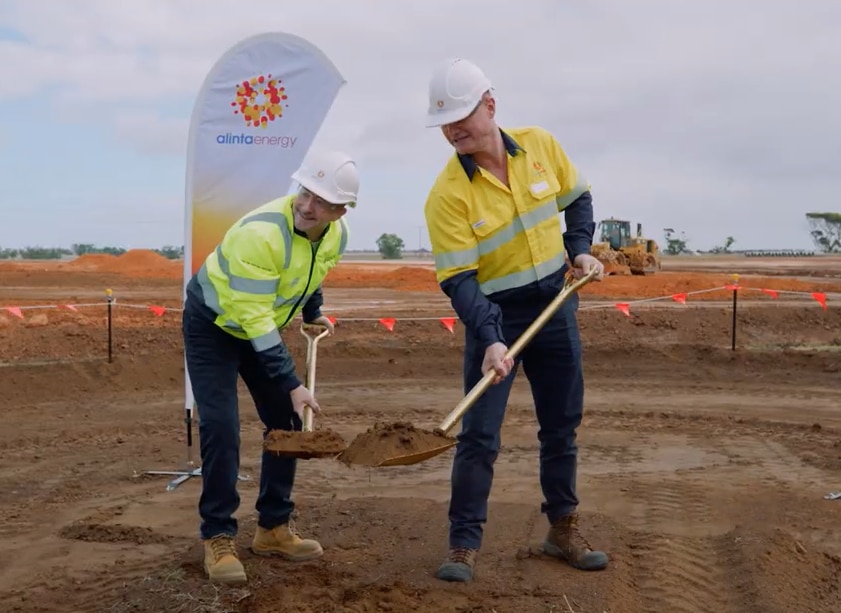
Even after approvals, there is still significant work to do. Grid connection studies, contractor procurement, detailed design and financing arrangements all need to be progressed before a final investment decision and construction can occur. Only then can a project move into the construction and commissioning phase.

Developing energy infrastructure is rarely a simple or linear process. It requires balancing technical, environmental, social and economic considerations while responding to feedback and new information as it emerges.

We hope this new series helps demystify the development process and provides a clearer understanding of the work that takes place long before construction begins.

At Alinta Energy, we believe responsible development starts with understanding the places where we work, engaging respectfully with communities and Traditional Owners, and being transparent about how projects are assessed and progressed. Those principles underpin our approach across a diverse pipeline of over $10 billion in renewable energy and storage initiatives. We've got a great track record of making energy more sustainable, and an ambitious plan to do even more.