

EV top 5 things to know
Thinking about an EV? See 2026 ready insights on home charging savings, federal/state incentives, read world running costs, lifestyle tips and new tech like V2G - plus tools to check your plan and eligibility.
From battery life to charging times and towing power, misinformation makes electric vehicles (EVs) seem harder or pricier than they really are. The truth? EVs are practical, efficient and more affordable than ever. Let's bust the biggest myths and give you the facts.
No. Today's EV batteries are designed for the long haul. Most keep more than 80% of their capacity well past 200,000 km, and many come with 8-year warranties for peace of mind.
What the data says:

No. Even when you factor in battery production, EVs produce fewer lifetime emissions than petrol and diesel cars, and that gap keeps growing as Australia's grid gets greener.
What the data says:
Not necessarily. While the upfront price can be higher, EVs often cost less to run thanks to cheaper charging, fewer moving parts and lower servicing needs.
What the data says:
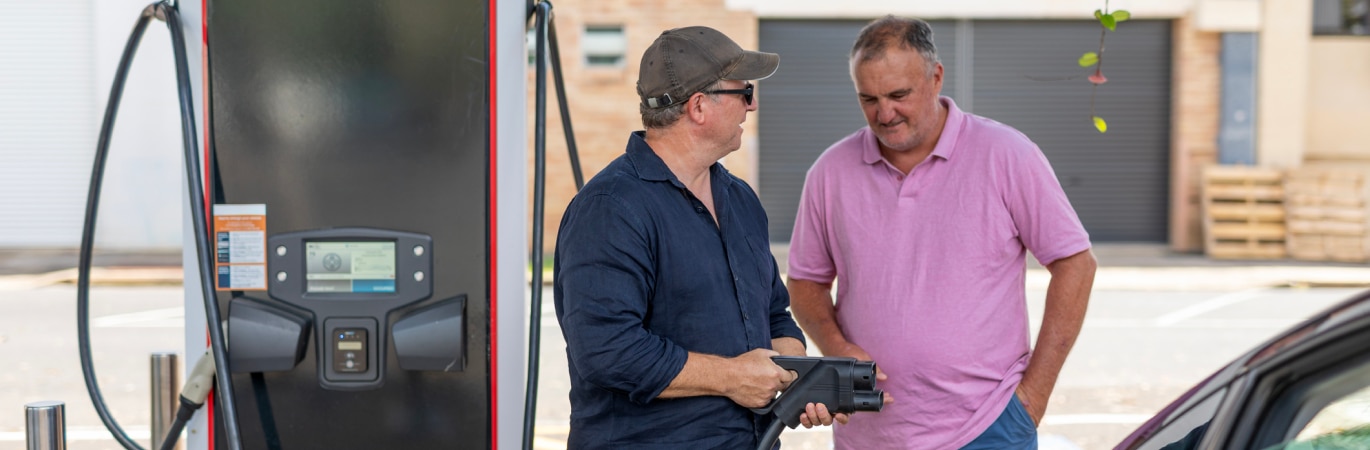
No. Most drivers simply plug in overnight at home and wake up to a full battery. On the road, fast chargers can add hundreds of kilometres in the time it takes for a coffee break.
What the data says:
Yes. Many EVs are rated to tow within their specified limits. Just like petrol cars, towing reduces range, so plan ahead and allow extra charging stops.
What the data says:
No. EVs are no more likely to catch fire than petrol cars. Incidents are rare and usually linked to severe crashes or misuse, and EVs need to meet strict safety standards.
What the data says:
EVs aren't the mystery they're made out to be. The myths about batteries, charging, costs, and towing don't stack up against the facts. Electric vehicles are practical, efficient, and increasingly affordable, and with smart charging habits, they can be very easy to live with.