The electric vehicle (EV) market has matured, incentives have shifted, and technology is moving fast. To make the best decision, you'll need to understand the current landscape in Australia, which includes home EV charging benefits, current incentives, running costs, lifestyle considerations, and tech advantages.
Top 5 things to know about EV's in Australia in 2026
Thinking about buying an electric vehicle in Australia? Here are the five essentials you need to know before making the switch.
1. Home Charging
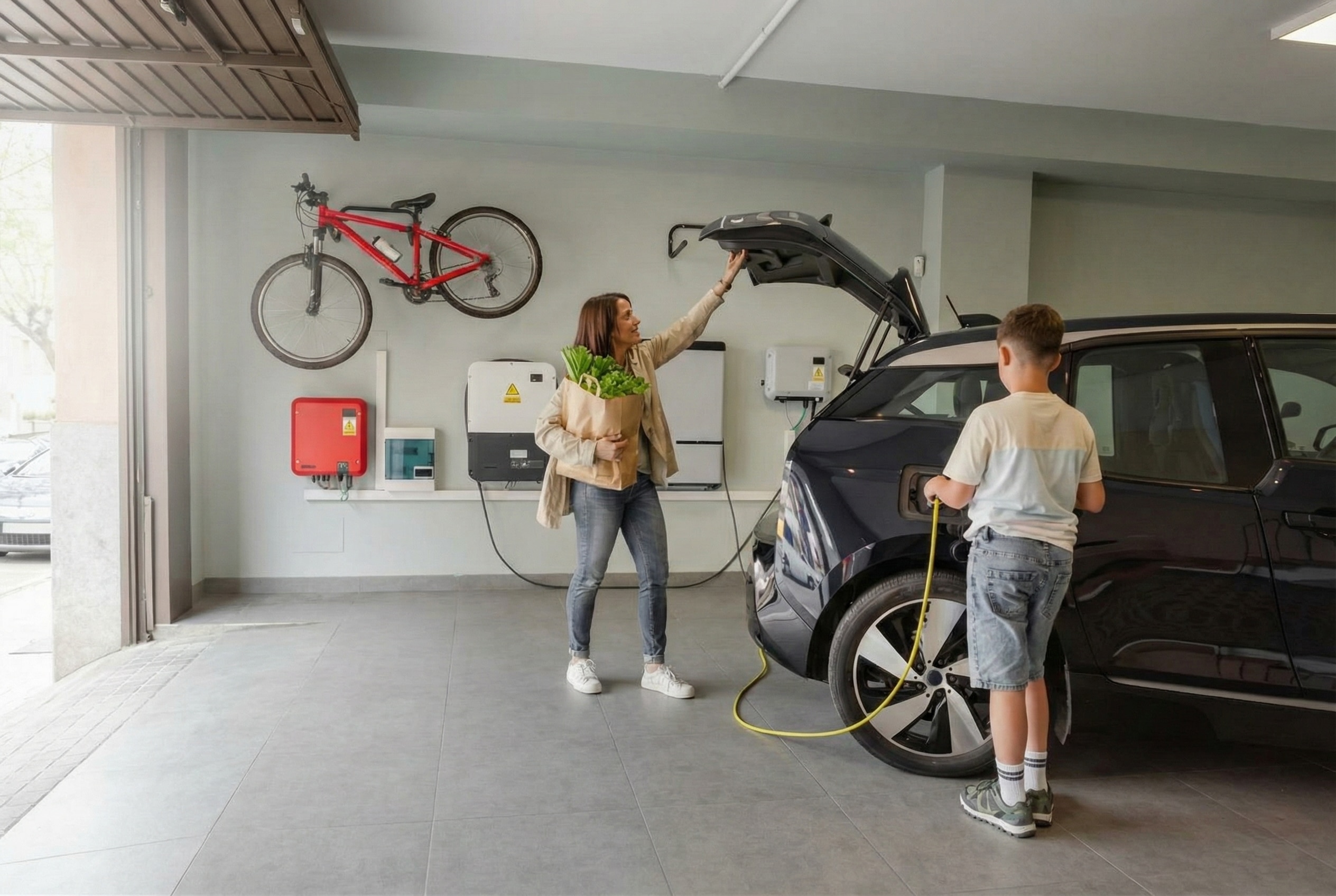
Charging at home is where owning an EV really pays off. Think of it as your biggest win for both convenience and cost. Here's why:
- Lower energy costs: EV specific tariffs can slash charging costs significantly compared to standard rates. To get the best value, plug in during those super off-peak windows.
- Smart scheduling: Most EV drivers charge overnight or around midday, avoiding peak grid times and keeping costs down.
- Solar synergy: If you have rooftop solar and a battery, home charging can reduce your running costs significantly. By adding a smart charger, you can automatically manage charging based on available power and charging schedules, helping protect your EV battery while keeping everything safe and efficient.
2. EV Incentives in Australia
The EV incentive landscpe has shifted a lot over the past few years. While most state-based rebates have wrapped up, there are still meaningful benefits available in 2026, especially at the federal level.
Federal EV incentives
- FBT exemption for electric vehicles: For people buying an electric vehicle through a novated lease, there's a major tax benefit available. Eligible battery electric vehicles are exempt from Fringe Benefits Tax (FBT), which can lower the total cost of ownership by thousands of dollars over the life of the lease. This exemption applies to vehicles under the fuel-efficient Luxury Car Tax threshold and is currently the most valuable EV incentive on offer.
New Vehicle Efficiency Standard (NVES)
Introduced in 2025, the NVES sets CO2 emissions targets for new vehicles in Australia. This encourages car makers to bring more efficient and electric models to market, and the results are already showing. Today, Australians can choose from more than 100 electric vehicle models, with prices ranging from under $30,000 through to premium options. As competition increases, this growing choice is expected to help bring EV prices down over time.
State by state EV incentive snapshot
Most upfront rebates have now run their course, but here's the quick current picture:
| STATE | REBATE |
|---|---|
| NSW | Rebates and stamp duty exemptions ended in December 2023. |
| VIC | Purchase subsidies ended in 2023; ZLEV rego discount ended January 2026. |
| QLD | Zero Emission Vehicle rebate scheme closed September 2024. |
| SA | Registration exemption concluded June 2025. |
| ACT | Zero interest sustainable loans remain available. |
| WA | Earlier rebates have finished, but charging grants exist for businesses. |
| TAS | Electric vehicle rebate has completed. |
| NT | Registration and stamp duty concessions run through until June 2027. |
3. Electric Vehicle running costs
EVs are generally cheaper to own day-to-day, and here's what that looks like in the real world.
- Energy vs fuel: With high fuel costs, the benefits of owning electric will become known quickly, and charging at home is easily the cheapest way to run an EV. Public DC fast chargers cost more, so the sweet spot is a mix: home charging most of the time, public charging when you need a quick hit or are on a long road trip.
- Servicing: With fewer moving parts, EVs usually cost less to maintain than petrol cars. No oil changes, fewer wear items, and simpler scheduled servicing.
- Total cost of ownership: When you combine lower energy costs and reduced servicing, many EVs end up cheaper to own over a 3-5 year period, even if the upfront price is higher.
4. Lifestyle and charging on the go
Owning an EV is mostly about charging smart and planning ahead — nothing complicated, just a few habits that make life easier.
- Trip planning: Before longer drives, use route-planning apps to check charger locations, availability, and the best spots to stop. It takes the guesswork out and keeps things stress-free.
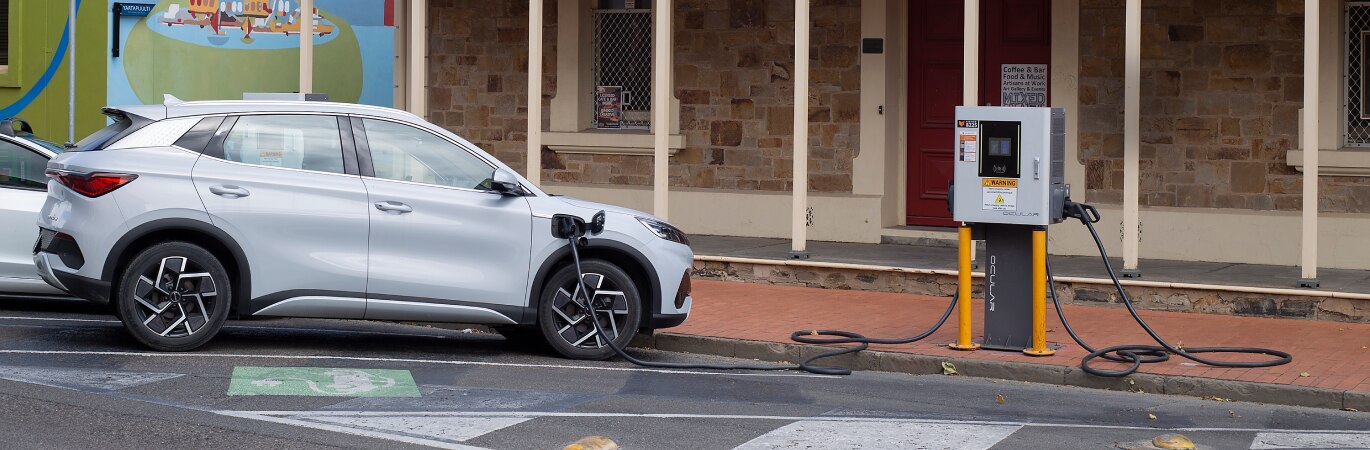
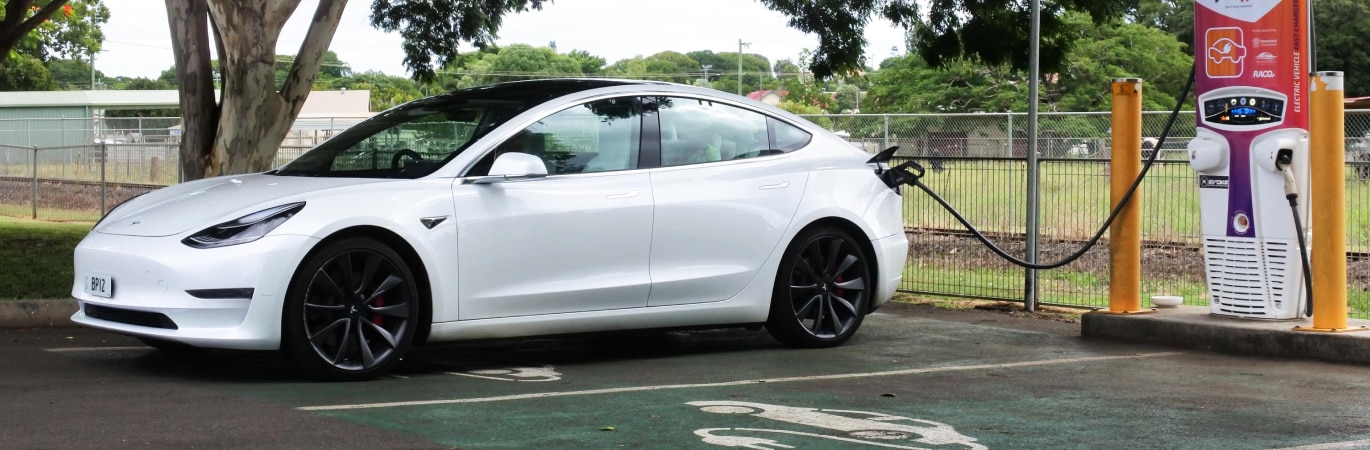
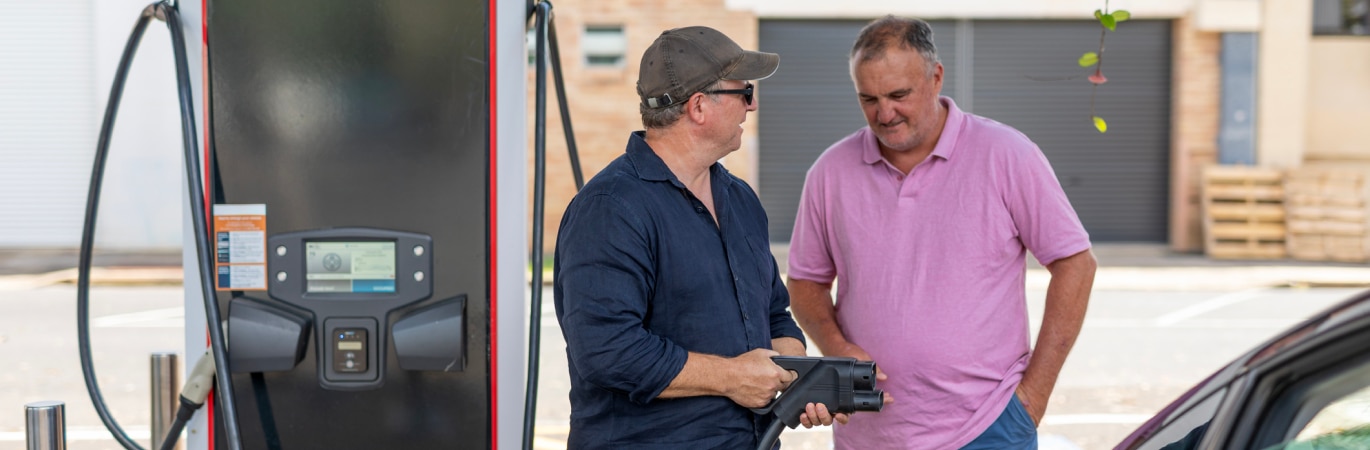
- Public charging economics: Public chargers work a bit differently to home charging. DC fast charging costs more and some networks add idle fees if you stay plugged in after you're full. Memberships or subscriptions are a good idea as they can unlock lower rates.
- Everyday ownership tips: Keep a Type 2 cable in the boot (the standard charging cable used at many public chargers), avoid charging to 100% every day to protect your battery, and tap into off-peak windows whenever you can for cheaper energy.
5. Tech advantages you'll notice
EVs come with some clever tech that makes day-to-day ownership easier — and there's even more on the way.
- Current tech:
- Over the air updates keep your car's software fresh without a visit to the dealer. Think of it like your phone updating itself overnight.
- Vehicle to Load (V2L) lets you power appliances directly from your EV, which is perfect for camping, outages, or running gear when you're off-grid.
- Emerging tech:
- Bi-directional charging (V2H/V2G) is starting to roll out. This will allow your EV to power your home (V2H) or even feed energy back into the grid (V2G). Standards are still evolving, but the first products are already appearing.
Choosing an EV in 2026 is ultimately about making a smarter, more future-ready choice. With the right home charging setup, lower running costs, evolving incentives and a lifestyle that suits your driving habits, an EV can be both convenient and great value.
Technology will continue to push things forward, so the experience only gets better from here, and it's a shift more Australians are making every year.