

EV myth busting
We debunk common EV myths around battery life, pollution, costs, charging times, and towing, with clear facts for Aussie drivers.

Electric vehicles are transforming not just how we drive, but how we think about energy use. For current EV owners — and those considering the switch — one question comes up time and again: when and where should you charge?
For most people, charging at home is the obvious answer, especially when it can be done overnight. Let's break down why.
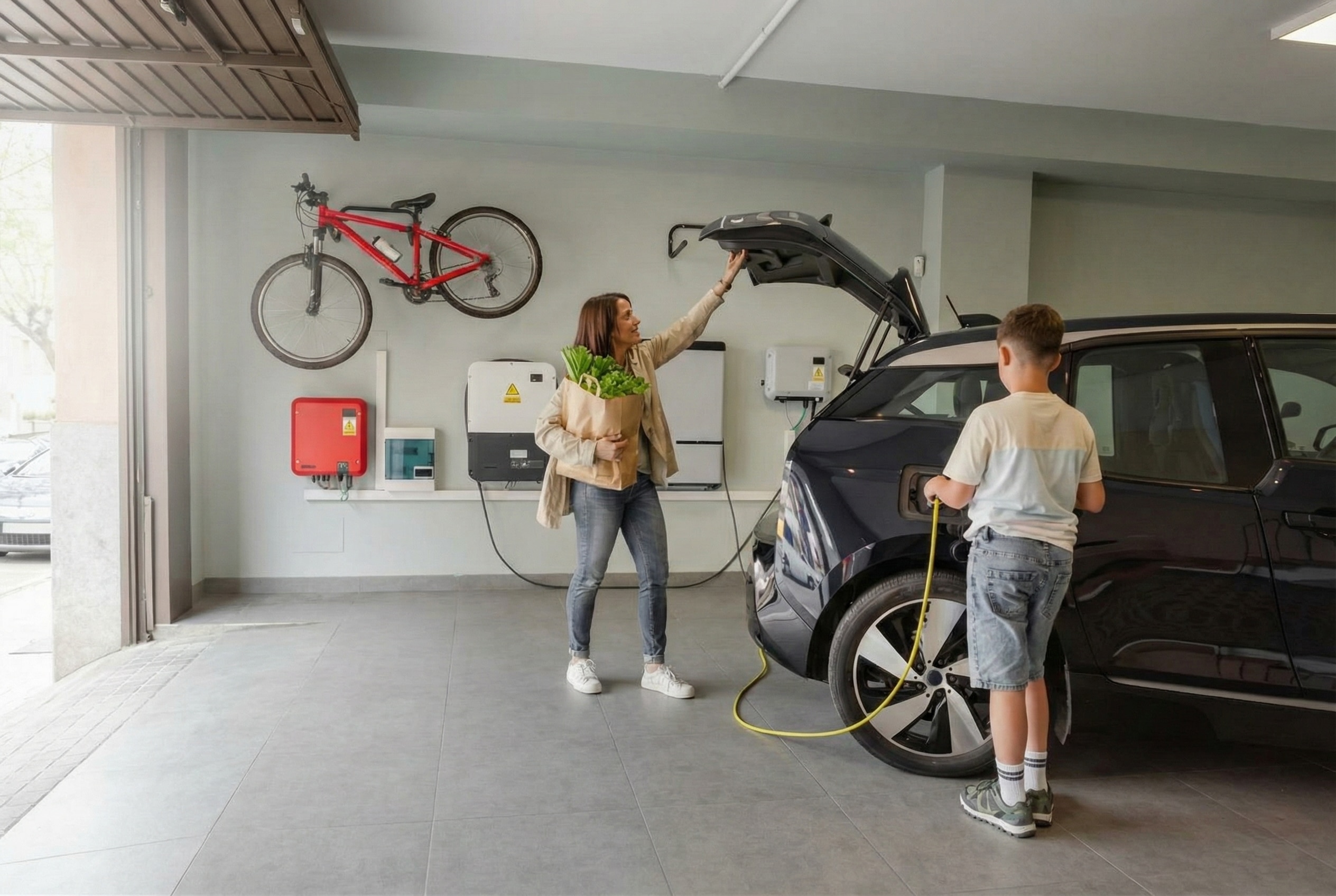
Waking up every morning to an EV topped up with charge is a luxury petrol vehicle owners don't get to enjoy. No detours to public chargers, no waiting around, and far less chance of range anxiety. Just plug in at night, set your schedule and forget about it.
Most EVs let you automate charging times, so you can take advantage of the cheapest rates without lifting a finger.

Electricity is cheaper when demand is low, and demand is usually lowest between midnight and 6am. With our HomeEV energy plan, you can take advantage of super off-peak rates during those hours, and that means you could save money just by charging while you sleep.
Fast charging has a place, but it can stress your battery over time. Overnight charging usually uses a slower, Level 2 charger, which is gentler on your battery and better for long-term health. Keeping your charge between 20-80% by topping up and charging overnight also helps maintain performance and longevity.
Level 1 or Level 2 charger? A Level 1 charger is often referred to as a trickle charger. It plugs into a regular household power point and provides a 2.3 kW charge (roughly 11 km of range per hour). A Level 2 charger is a dedicated EV wall charger designed specifically for electric vehicles, delivering around 7 kW (about 35 km of range per hour).
Charging overnight works out better for you, and perhaps others too. Off-peak charging reduces strain on the grid and uses electricity during low-demand hours, when generation is often underused. Plus, overnight hours often coincide with higher renewable energy availability, meaning you're charging cleaner and reducing your carbon footprint.
^ Estimate based on Tesla model 3/Y RWD, 62 kWh useable battery capacity charged during super off-peak period (12am - 6am).
* Energy Fact Sheet and Basic Plan Information Document for this plan is available on request.