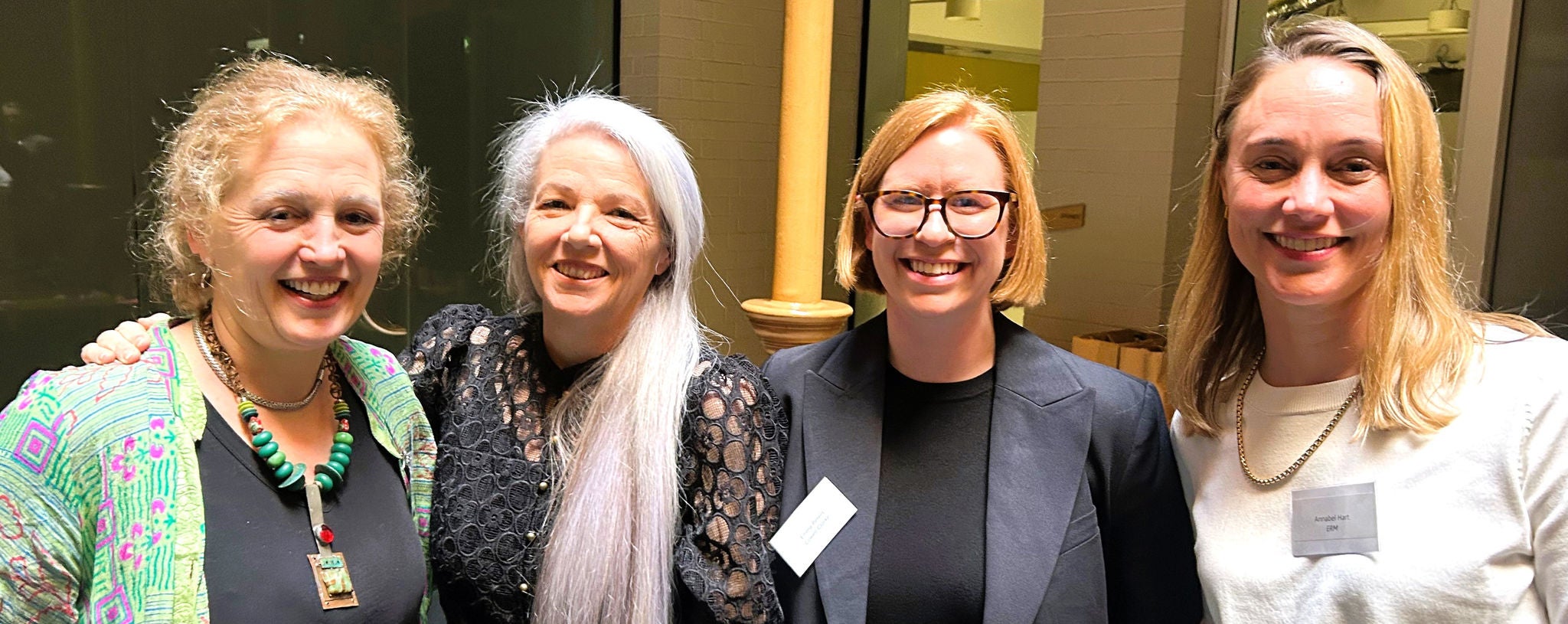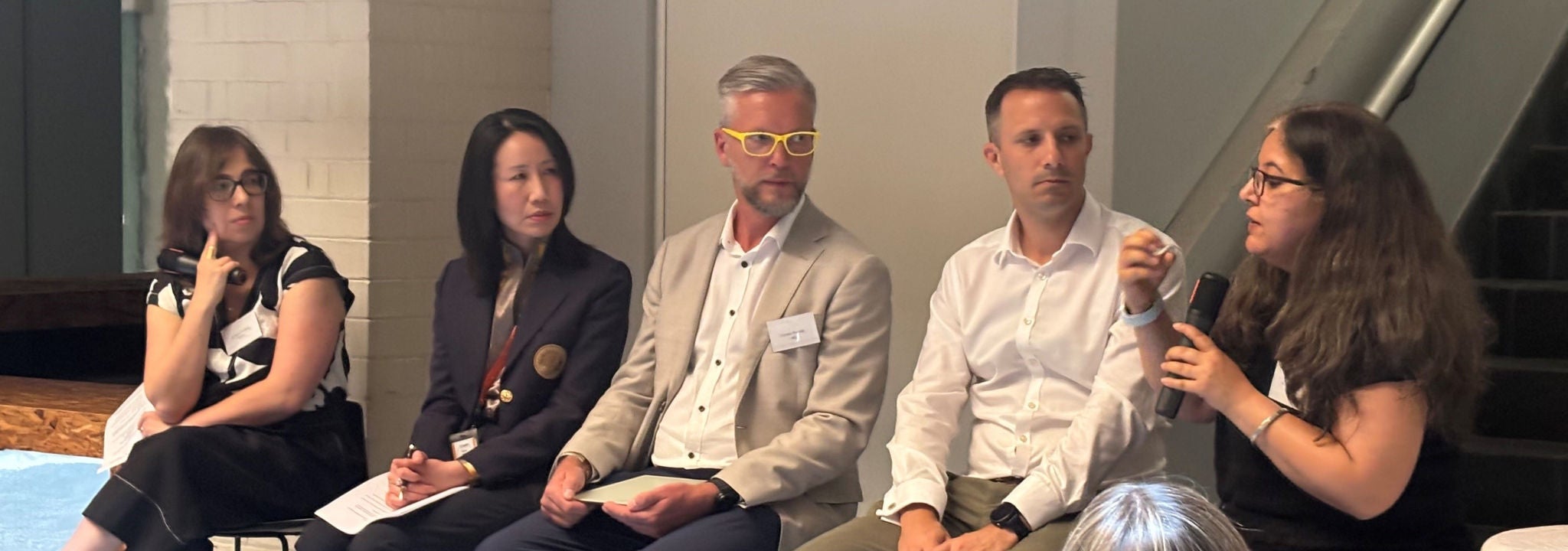



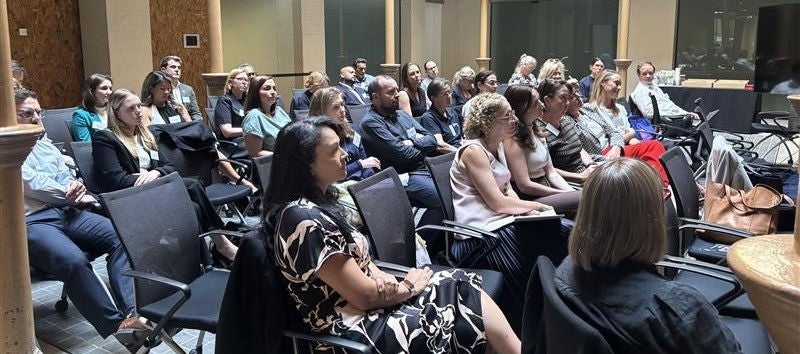
On 19 November, our Sustainability Manager Dr Fiona Martin brought together people from across industry, government, legal and advisory services for a half-day seminar on managing modern slavery risks. Here’s what she had to say about the event.
The seminar, Managing Risks of Modern Slavery: What works, and what needs work, was all about sharing what we’re learning as practitioners. The focus wasn’t on aspirational statements or abstract ideas; it was on the real work happening behind the scenes and the challenges we’re all grappling with.
A program grounded in real-world practice
The afternoon opened with a keynote from Laura McManus, a Director at the Australian Anti-Slavery Commissioner’s Office. She walked us through the Commissioner’s upcoming strategic priorities and what their office is seeing in terms of strong — and sometimes not-so-strong — practice across business.
From there we moved into a series of conversations that reflected the complexity of modern slavery due diligence today:
- Using technology well — A fireside chat explored how AI, data tools and blockchain can help make supply chains more transparent, while also acknowledging their limits
- Getting beyond Tier 1 suppliers — A presentation from Ro Coroneos challenged the common myths that hold organisations back from mapping deeper into their supply chains
- Due diligence in finance — A panel of lenders and insurers shared how they conduct on-the-ground checks in high-risk regions, and what red flags they pay attention to when assessing customers
- Transport for NSW’s experience — One of the most relevant sessions for Alinta Energy came from Kelly McDonald, who spoke candidly about the scrutiny their EV and battery procurement has faced, and the practical steps they’re taking to embed the NSW Anti-slavery Commissioner’s Guidance
- Moving beyond tick-a-box questionnaires — Our panel on supplier engagement urged practitioners to rethink how we use data, design better questions, and reduce the burden on suppliers while still lifting standards
- What to do when you actually find modern slavery — The final session looked at how to respond responsibly when harm is uncovered, including the importance of genuine worker voice and thoughtful remediation.