

EV top 5 things to know
Thinking about an EV? See 2026 ready insights on home charging savings, federal/state incentives, read world running costs, lifestyle tips and new tech like V2G - plus tools to check your plan and eligibility.

Our energy plans designed for EV owners
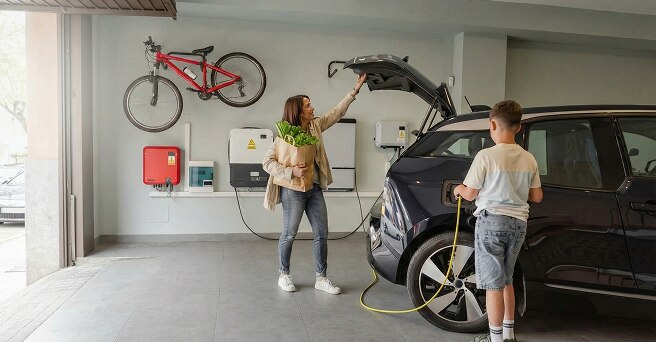
For many households, the switch to an electric vehicle also makes practical sense. EVs typically cost less to run than petrol cars, and the ability to charge at home gives you greater control over your electricity usage and costs. When charging fits easily into your daily routine — such as plugging in overnight or during off-peak periods — everyday EV driving can be both more convenient and more affordable.

Our EV energy plans are built to support super off-peak charging at home.

Manage your account with MyAccount and the Alinta Energy app.

Our EV guides help you make confident, informed decisions.
Electricity is generally cheaper when demand is lower, which is why many EV owners charge overnight. Charging during these off-peak periods can help reduce the overall cost of running an electric vehicle.
The cost to charge an EV at home depends on your electricity rates, charging habits, and your vehicle's battery size. Charging at home is usually cheaper than using public fast chargers, particularly when charging overnight during off-peak periods.
On one of our HomeEV plans, overnight rates can drop as low as 8c per kWh, which means you could charge your vehicle for as little as $5 a night.^
^ Estimate based on Tesla model 3/Y RWD, 62 kWh useable battery capacity charged during super off-peak period (12am - 6am).
No. You can charge an EV on a standard electricity plan. However, EV-specific electricity plans are designed to better suit charging habits by encouraging charging during lower-demand periods, which can help reduce charging costs. These plans are only available to customers who own an electric vehicle.
EVs can be charged using a standard power point or a dedicated home EV charger. Dedicated chargers are faster and more convenient for regular home charging, but the best option depends on your driving habits and setup.
How often you charge depends on how far you drive and your EV's range. Many EV owners charge fully every few days, then add back the energy they've used by topping up overnight at home, rather than waiting for the battery to run low before recharging.
Yes. If you have solar panels, you can use solar energy to help charge your EV. Some drivers combine daytime solar charging with off-peak overnight charging to spread costs and maximise flexibility.
Incentives and rebates for EVs vary by state and can change over time. These may include discounts, stamp duty exemptions, or registration benefits, depending on where you live.